Lewisham council guidelines for house removals in Deptford
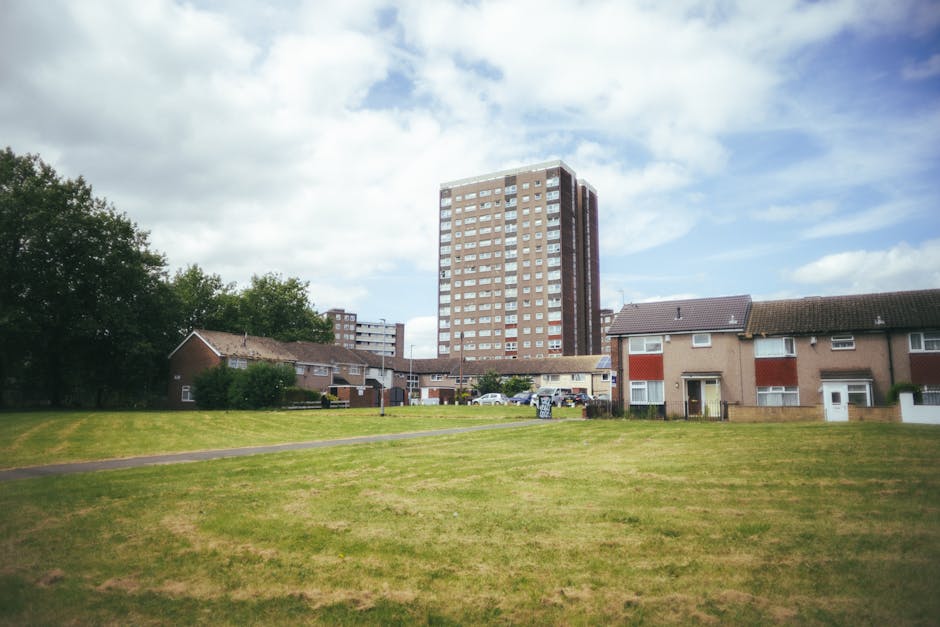
Moving home in Deptford can look straightforward on paper, and then the real world steps in: tight streets, awkward parking, stairwells that seem to shrink at the worst moment, and questions about what Lewisham Council expects from you. If you are trying to understand Lewisham council guidelines for house removals in Deptford, the practical answer is this: plan for access, waste, parking, timing, and neighbour impact before moving day arrives. That simple bit of preparation saves a lot of stress.
This guide breaks the topic down in plain English. You will find the main things to think about, how council-related moving rules usually affect house removals, what to do about bulky waste, where people commonly go wrong, and how to keep the move calm enough that you can still find the kettle at the end of the day. Sounds ideal, right?
Why Lewisham council guidelines for house removals in Deptford matters
Deptford sits in that classic London mix of residential streets, maisonettes, flats, terraces, and estates where moving a sofa is rarely as simple as opening the front door and walking it out. Council guidance matters because the move does not happen in a vacuum. The pavement, the road, the bins, the neighbours, and the loading space all come into play.
For a lot of people, the issue is not the packing itself. It is everything around the packing. Can the van stop safely? Will you block traffic? Do you need to protect communal areas in a block of flats? What happens if you are leaving behind damaged furniture or a pile of boxes that need proper disposal? These are the everyday questions that turn a decent move into a messy one if they are ignored.
There is also a trust angle here. If you are hiring help, you want movers who understand local conditions, not just general house moving theory. That is one reason people look at a local team such as house removals in Deptford when they need a move handled with less drama and fewer surprises.
To be fair, most council-related moving issues are avoidable. But only if you spot them early. And that is the whole game.
How Lewisham council guidelines for house removals in Deptford works
Lewisham Council does not run your household move for you, but its rules and local expectations shape how the move should happen. In practice, this usually means thinking about three connected areas: access, waste, and public-space use.
1. Access and parking
If the removal van needs to stop on a narrow residential road or near a busy junction, you need to plan that carefully. In parts of Deptford, a poorly timed van can cause congestion quickly. If you are moving from a flat or a property with shared access, you may also need to think about lift use, stairs, and where the team can safely stage boxes without causing a nuisance.
2. Waste and clear-outs
House removals often produce more waste than people expect. Old furniture, broken appliances, damaged shelving, and random items from cupboards all need a decision. Some things can be reused, some can be recycled, and some will need bulky waste handling. If you are not sorting that in advance, moving day turns into a scramble, and nobody enjoys that at 7:30 in the morning.
For related advice, it can help to read about Deptford council rules for skip permits and bulky waste removals before you get stuck with a pile of items that need a better plan.
3. Neighbour and building considerations
In flats and shared buildings, the practical rules are often simple but easy to miss: keep walkways clear, avoid damaging walls, protect floors if needed, and do not leave items in communal spaces for longer than necessary. That is where good communication and a clean timeline make a big difference.
If you want the move to feel less like a last-minute rescue mission, a bit of pre-planning goes a long way. Useful reading on the broader moving process includes tips to transform moving day into a breeze and packing perfection for a stress-free move.
Key benefits and practical advantages
Following local moving guidance is not just about being compliant. It gives you a cleaner, calmer move with fewer hidden headaches.
- Less disruption: You avoid awkward loading issues, blocked access, and avoidable delays.
- Lower risk of damage: Careful planning reduces the chance of scratched walls, broken furniture, or bent fittings.
- Better time control: When parking, packing, and disposal are sorted early, the schedule holds together.
- Cleaner handover: This matters especially for tenants who need to leave the property tidy and ready for inspection.
- Reduced stress: Honestly, the emotional benefit is huge. A clear plan feels different in the body. You notice it.
There is another advantage that people sometimes overlook: confidence. When you understand the practical side of moving rules, you make better choices about whether to use a van, book extra labour, arrange storage, or split the move into phases. That is where a local service mix can help, whether you need man and van support in Deptford or a more full-service move.
Who this is for and when it makes sense
This topic is useful for more people than you might think. It is not just for homeowners with a large family house. In Deptford, the council-related moving concerns often apply to:
- tenants moving out of flats or maisonettes
- families relocating within SE8 or nearby areas
- students moving in or out of shared accommodation
- landlords arranging end-of-tenancy clearance
- people downsizing and disposing of unwanted furniture
- anyone moving bulky items through communal entrances or staircases
It makes sense to pay close attention if your move involves on-street loading, a narrow hallway, shared stairs, or any item that is awkward, fragile, or heavy. A piano, for example, is not something you wing on the day. If that is part of your move, you are much better off looking at piano removals in Deptford rather than trying to improvise with friends and a borrowed trolley. That usually ends well only in stories people laugh about later.
And yes, some moves really are urgent. If time is tight and you are trying to coordinate a quick exit, same day removals in Deptford can be the right fit, provided the access and loading plan are sensible.
Step-by-step guidance
Here is a practical way to work through the process without making it more complicated than it needs to be.
Step 1: Walk the property before moving day
Look at every exit route. Measure doors, check stair width, note low ceilings, and identify anything that might snag. If you are moving from a flat, pay special attention to lifts, shared corridors, and parking access. You do not need a tape measure for everything, but you do need a reality check.
Step 2: Decide what is coming, what is staying, and what is leaving
Sort items into three groups: keep, donate/recycle, and dispose. This is where a lot of moves gain momentum. Once you start removing unnecessary clutter, the rest becomes easier. A practical declutter plan can be supported by decluttering hacks for a smoother house move.
Step 3: Check bulky items early
If you have sofas, beds, wardrobes, freezers, or other large items, decide whether they are going with you, being stored, or being removed. Large items need different handling. Some can be dismantled, some need special wrapping, and some are simply too awkward for a standard one-person lift. For furniture-specific planning, furniture removals in Deptford is the sort of service that makes a real difference.
Step 4: Confirm loading access and timing
Choose a realistic moving window. Early morning often works well because streets are calmer, but that depends on the road and the building. Check where the van can stop and whether you will need a second set of hands for carrying. If you are using a vehicle with limited loading space, think about whether multiple trips would be needed. That can affect the schedule more than people expect.
Step 5: Prepare your waste plan
Do not leave waste disposal until the end. A move creates packaging, broken bits, and items you no longer want. If you need storage for anything that is not leaving immediately, storage in Deptford may be a better bridge than stuffing everything into the new place and dealing with it later.
Step 6: Protect the property
Use floor coverings, blankets, straps, and proper wrapping where needed. Hallway walls and stair rails are the usual casualties in a rushed move. A calm mover does the boring, protective work first. Not glamorous, but it saves money and hassle.
Step 7: Clear and check before you leave
Do one final walk-through. Open cupboards, check behind doors, look in loft spaces if applicable, and make sure bins and leftover packing materials are handled. If you are vacating a rental, a thorough final clean matters too. A helpful companion piece is cleaning out strategies for vacating your home.
Expert tips for better results
Here is the part where small choices make a large difference.
- Book your move around access, not just availability. A cheaper time slot can become expensive if the street is impossible.
- Label by room and priority. It sounds basic, but it saves chaos when boxes start stacking up.
- Keep a "first night" bag separate. Kettle, chargers, medication, toiletries, clean clothes. The essentials.
- Use proper lifting technique. Bent knees, straight back, no heroics. Your spine will thank you later.
- Wrap soft furnishings properly. Sofas and mattresses collect grime quickly if they are dragged through communal areas.
For those heavier tasks, it is smart to revisit guides like solo heavy lifting skills and kinetic lifting strategies. They are especially useful when you are moving awkward items down a stairwell and everyone is pretending not to panic.
A slightly less glamorous tip: keep a roll of bin bags, a cloth, and some tape within reach. They get used. Always. The "we'll sort it later" approach has a way of becoming a problem at 9 p.m.
Common mistakes to avoid
Most moving problems in Deptford are not dramatic disasters. They are small avoidable things that stack up.
Leaving parking until the last minute
If the van cannot stop close enough, the whole move slows down. Carrying boxes farther than expected burns time and energy fast.
Assuming bulky waste will be easy
Bulky waste often needs a proper route. You do not want a last-minute scramble with an old mattress and a fridge sitting by the hallway. That is when people start making regrettable decisions.
Ignoring flat access issues
Deptford has plenty of properties where stairs, turns, and narrow landings matter. If you need more detail on this pain point, stair access problems for Deptford removals is worth a look.
Underestimating delay risks
Traffic, access issues, and late packing can all knock a schedule off balance. Planning for a small buffer is wise. Not a luxury. A buffer.
Forgetting building rules
Some blocks have quiet hours, lift booking rules, or requirements to protect shared areas. If you are not sure, check early. It is far easier than apologising later.
Tools, resources and recommendations
You do not need a giant toolkit, but a few practical items help a lot.
- Furniture blankets and wraps for protecting sofas, tables, and wooden edges
- Tape and labels for clear box marking
- Gloves for grip and a bit of protection
- Dolly or sack truck for heavier boxes and appliances
- Zip bags and markers for screws, fittings, and cables
- Cleaning cloths for the final property sweep
For packing support, packing and boxes in Deptford can be a sensible option when you want the move organised properly rather than held together with guesswork.
If you are trying to choose between a DIY job and professional help, compare the hidden costs too: time, equipment, vehicle access, risk of damage, and your own energy. A move is rarely just about the van price. For practical pricing context, pricing and quotes is the kind of page people usually check once the planning starts to feel real.
Law, compliance, standards, or best practice
This is one of those areas where it pays to be careful. Council guidance, tenancy obligations, building management rules, and general UK moving best practice can overlap. The exact requirements may vary depending on your property type, the street, and whether you are dealing with waste, skips, or shared access. So the safest approach is to treat local rules as something to confirm rather than assume.
In practical terms, the compliance side usually means:
- not obstructing roads or pavements unnecessarily
- not leaving waste where it creates a hazard or nuisance
- protecting communal areas in flats and apartment blocks
- handling appliances, mattresses, and furniture through appropriate disposal or reuse channels
- following any building-specific access rules or booking procedures
There is also a health and safety dimension. Heavy lifting, awkward carrying angles, and rushed loading all create injury risk. A reputable mover should work with safe methods, proper equipment, and sensible judgement. You can read more about the general approach through health and safety policy and insurance and safety.
One more thing: if sustainability matters to you, you are not alone. More people now ask what can be recycled, reused, or responsibly disposed of after a move. That is where recycling and sustainability becomes part of a sensible move plan rather than an afterthought.
Options, methods, or comparison table
When you are working within council guidance and real-world Deptford access constraints, you usually end up choosing between a few moving methods. Here is a straightforward comparison.
| Method | Best for | Pros | Watch-outs |
|---|---|---|---|
| DIY van move | Small or simple moves with easy access | Flexible, often lower upfront cost | Heavy lifting, parking stress, risk of damage |
| Man and van | Flats, small houses, partial moves, tight schedules | Practical, efficient, easier to coordinate | May need careful timing if access is difficult |
| Full house removals | Whole-home moves, family moves, bulky furniture | More support, less physical strain, better planning | Requires clearer scheduling and property access |
| Storage-first move | Staged moves, downsizing, renovation gaps | Reduces clutter and pressure on moving day | Extra planning and another handover step |
There is no single best answer. A student flat moving a few streets away and a family house clearance are two very different jobs. If you are unsure, a quick chat with a local team can help you decide whether removals in Deptford or a lighter-touch option such as man with a van in Deptford is the better fit.
Case study or real-world example
Picture a typical Deptford move: a two-bedroom flat, second floor, shared entrance, and a van that needs to load from a narrow street. Nothing unusual, really. But the details matter.
The couple moving out had three large items they planned to keep, one sofa to dispose of, several boxes of books, and a freezer they were not sure about until the last week. They also had no clear plan for lift protection or where the van could stop. Classic moving-day fog.
Once they mapped the access route, separated keepers from waste, and decided what would go into storage, the move became manageable. The sofa was wrapped and carried carefully, the freezer decision was made early rather than at the kerb, and the packing was staged by room. They were a bit surprised by how much calmer the day felt once the "what if" questions were answered.
That is the real lesson. Most move stress comes from ambiguity, not volume. When the access route, disposal plan, and timing are clear, the day feels shorter. Still busy, of course. But not chaotic.
If you have bulky items that need careful handling, it helps to think ahead about things like sofas, mattresses, and freezers. Related practical reading includes bed and mattress relocation, sofa storage strategies, and storage of dormant freezers.
Practical checklist
Use this as a last-week and last-day checklist. Simple is better.
- Confirm the moving date and time window
- Check van access and parking conditions
- Ask about building rules, lift access, or loading restrictions
- Sort items into keep, donate/recycle, and dispose
- Book any bulky item handling or specialist support early
- Wrap furniture and protect flooring where needed
- Label boxes by room and priority
- Prepare essentials bag for the first night
- Arrange waste removal or storage if required
- Do a final walk-through of the property before leaving
Expert summary: The safest way to handle house removals under Lewisham council expectations is to plan access, waste, and timing before the van arrives. Everything else becomes much easier after that.
Conclusion
Lewisham council guidelines for house removals in Deptford are not really about paperwork for the sake of paperwork. They are about making a local move work in a busy, lived-in part of London without unnecessary friction. Once you think in terms of access, waste, property rules, and sensible timing, the whole job becomes more manageable.
The best moves tend to be the ones that look boring from the outside. No rushing, no random piles, no blocked corridor, no panic about where the van can park. Just a steady plan and a bit of respect for the space you are moving through. That, more than anything, is what keeps a Deptford move on track.
If you are ready to make the process easier, start by checking your access, separating your bulky items, and choosing the right type of support for your property. The rest usually falls into place. Slowly, then all at once.
Get a free quote today and see how much you can save.
If you would like a local team to help you plan the practical side of your move, you can also learn more through the about us page or get in touch via contact.
Frequently Asked Questions
Do I need permission to park a removal van in Deptford?
It depends on the road, the type of property, and whether parking restrictions apply. In many cases, the key issue is making sure the van can stop safely and legally without blocking traffic or access.
What should I do with bulky waste before or after a house move?
Sort it early. Decide what can be reused, recycled, stored, or disposed of properly. Leaving bulky waste until moving day usually creates avoidable pressure.
Are Lewisham council guidelines the same for houses and flats?
The basic principles are similar, but flats usually involve more shared-space considerations such as corridors, lifts, stair access, and communal rules. Houses tend to be easier for access, but parking can still be tricky.
How far in advance should I plan a Deptford house removal?
As early as you can. Even a simple move benefits from a week or two of planning, while larger moves, tight access, or specialist items need longer.
What is the biggest mistake people make when moving in Deptford?
Underestimating access. People often focus on boxes and forget parking, stairs, loading distance, and the time it takes to move things safely.
Can I leave unwanted furniture on the pavement for collection?
Not as a general rule. You should check the proper route for bulky waste and disposal rather than assuming pavement placement is fine. Leaving items out without a plan can cause problems.
How do I make a flat move easier in Deptford?
Measure the access points, protect communal areas, label boxes clearly, and keep a close eye on timing. If your move is particularly awkward, consider a service designed for flat removals in Deptford.
Is a man and van service enough for a house move?
Sometimes, yes. It depends on the size of the property, the number of items, and how easy the access is. For bigger or more complicated moves, a fuller removal service may be more efficient.
What if I need to move out very quickly?
If time is short, you can look at same day removals in Deptford, but it helps to be realistic about access, packing readiness, and the amount of work involved.
Do I need special help for a piano or other heavy specialist item?
Yes, specialist items need specialist handling. A piano is heavy, awkward, and easy to damage if moved badly. It is much safer to use a dedicated service than to improvise.
What should I pack separately for the first night?
Keep toiletries, chargers, medication, a change of clothes, basic kitchen items, and anything else you will need before the boxes are fully unpacked. One neat bag can save a lot of hunting later.
Where can I find more moving advice for Deptford?
Useful reads include common fixes for removals delays in Deptford and same-day removals on Deptford High Street. They cover some of the practical issues that crop up most often.